
Uncategorized
Emotional hunger and stress: can biofeedback help?
Find out why stress can increase your appetite, how to distinguish between physical hunger and emotional hunger, and how biofeedback can support self-regulation.

During periods of heightened stress, it is common to feel a greater urge to eat, particularly sweet, savoury or high-fat foods. This behaviour does not necessarily indicate a lack of willpower: stress can influence appetite, food choices and the way the body responds to food.
But why does this happen? And how can we distinguish between physical hunger and emotional hunger? In this article, we explain the relationship between stress, cortisol and emotional hunger, and how biofeedback can support the body’s self-regulation.
Why do we feel hungrier when we’re stressed?
When the body perceives a situation as threatening or demanding, it triggers a stress response. During this process, hormones such as adrenaline and cortisol are released, helping the body to react quickly.
In isolated instances, this response is natural. However, when stress is prolonged, cortisol levels may remain elevated for longer. This can contribute to:
- increased appetite;
- increased cravings for foods high in sugar and fat;
- changes in sleep patterns;
- greater difficulty in controlling eating impulses;
- a tendency to accumulate abdominal fat.
Therefore, the urge to eat during times of stress may be linked to physiological and emotional mechanisms, and not just to genuine hunger.
Physical hunger and emotional hunger: what are the differences?
Learning to recognise the type of hunger is an important step towards better understanding the body’s signals.
Physical hunger
- develops gradually;
- can be satisfied with different types of food;
- is associated with physical signs, such as a feeling of emptiness in the stomach;
- subsides after eating an adequate amount.
Emotional hunger
- often appears suddenly;
- is associated with emotions such as anxiety, sadness, tiredness or frustration;
- leads to cravings for specific foods;
- may continue even after eating;
- may be accompanied by guilt or regret.
Emotional hunger should not be seen as a personal failing. It is often the body’s way of seeking comfort or relief in the face of an emotionally demanding situation.
What is the relationship between stress, sleep and appetite?
Stress can also impair the quality of sleep. Getting too little or poor-quality sleep can affect the hormones linked to hunger and satiety, increasing the urge to eat and making it harder to choose more balanced foods.
Thus, stress, insufficient sleep and emotional eating can form a cycle: stress interferes with rest, tiredness increases the craving for comfort foods, and the feeling of a lack of control can generate even more stress.
How can biofeedback help with stress management?
Biofeedback is a non-invasive approach that allows you to monitor certain physiological signals from the body and develop greater awareness of how your body responds to stress.
By receiving information about these responses, a person can learn self-regulation and relaxation strategies. The aim is to recognise the signs of tension earlier and respond more mindfully.
In the context of emotional eating, better stress management can help to:
- identify situations that trigger the urge to eat;
- reduce reactivity to stressful stimuli;
- improve body awareness;
- support more mindful eating choices;
- promote rest and wellbeing.
Biofeedback is not a substitute for a balanced diet, or for medical, nutritional or psychological support where these are required. It can, however, form part of a broader approach to promoting wellbeing and managing stress.
Simple strategies to reduce emotional eating
In addition to biofeedback, certain practices can help break the cycle between stress and eating:
- taking a moment before eating to identify what you are feeling;
- maintain regular mealtimes;
- prioritising the quality of your sleep;
- practise slow, mindful breathing;
- engage in physical activity appropriate to your condition;
- avoid going for long periods without eating;
- seek professional support when your relationship with food is causing distress.
When should you seek help?
It is advisable to seek professional support when episodes of emotional eating are frequent, cause intense guilt, interfere with your health, or are associated with anxiety, persistent sadness or a loss of control over eating.
An individual assessment allows for a better understanding of the factors involved and helps to determine the most appropriate approach for each person.
Would you like to better understand your body’s response to stress?
At ForHealth, biofeedback can be integrated into a personalised programme, taking into account each person’s needs and goals.
Book your appointment and discover how this approach can support your stress management and wellbeing.
Keep exploring
Other ways to care.
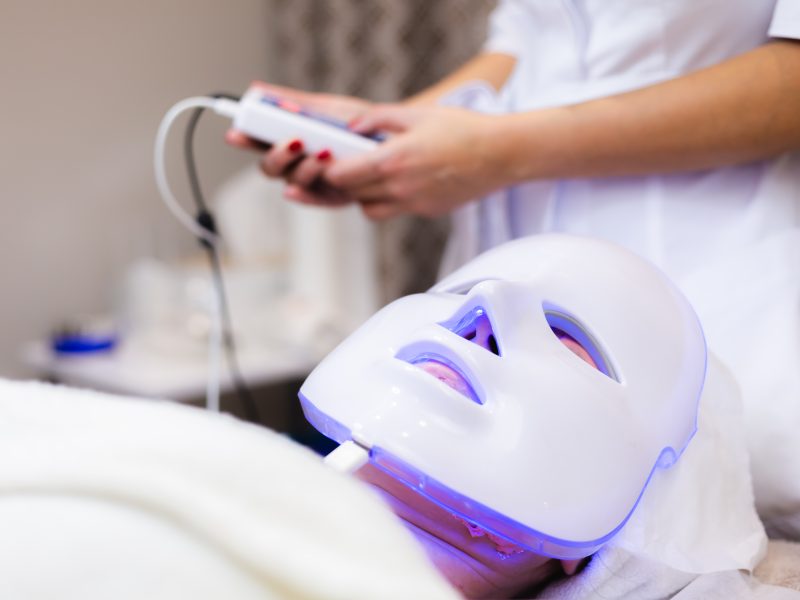
Skin benefits of light therapy
Light therapy (LED phototherapy) uses specific wavelengths to stimulate the skin’s natural processes — no needles, no recovery time and…
Read more
The Power of Manual Lymphatic Drainage: more than just a beauty treatment – it’s essential care
When people talk about Manual Lymphatic Drainage, many think only of beauty treatments. But this gentle technique is, first and foremost, a…
Read more